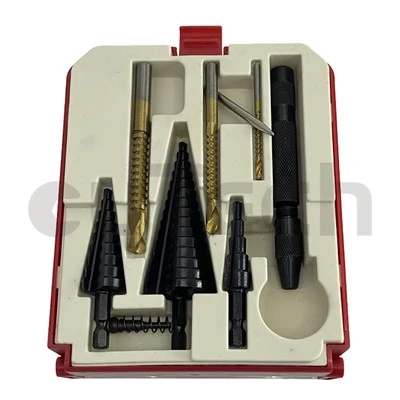

Hey there! As a supplier of HSS drill bits, I've seen firsthand how frustrating it can be when these tools wear out too quickly. High - speed steel (HSS) drill bits are a staple in many workshops, offering a good balance between cost and performance. Whether you're in the construction business, a DIY enthusiast, or a professional machinist, making your HSS drill bits last longer can save you both time and money. So, let's dive into some practical ways to slow down the wear rate of HSS drill bits.
Understanding the Wear Process
Before we get into the solutions, it's important to know why HSS drill bits wear out. The main factors contributing to wear are friction, heat, and the hardness of the material being drilled. When you drill, the bit rubs against the workpiece, generating friction. This friction then produces heat, which can soften the HSS material over time. If the material you're drilling is too hard, it can also cause excessive abrasion on the drill bit.
Proper Selection of Drill Bits
One of the first steps in reducing wear is to choose the right drill bit for the job. We offer a variety of HSS drill bits, like the High Speed Steel Twist Drill Bit. These are great for general - purpose drilling in a wide range of materials, including metal, wood, and plastic. If you need to drill deeper holes, our HSS Reduced Shank Drill might be a better option. It can provide more reach and stability.
Correct Operating Speed
The speed at which you operate the drill has a huge impact on the wear rate of the HSS drill bit. Running the drill too fast can cause excessive heat build - up, while running it too slow can lead to more friction and wear. For HSS drill bits, it's crucial to follow the recommended speed settings based on the material you're drilling. For example, when drilling steel, you'll generally want a lower speed compared to drilling aluminum. You can usually find speed charts in the drill's manual or online.
Lubrication is Key
Using lubricants is an effective way to reduce friction and heat generation. When you drill, a bit of lubricant can go a long way. There are different types of lubricants available, such as cutting oils and coolants. For metal drilling, a good quality cutting oil will help keep the drill bit cool and lubricated, reducing wear and improving the quality of the hole. On the other hand, for wood and plastic, a some light - lubricating spray might be sufficient. Remember to apply the lubricant continuously during the drilling process to get the best results.
Proper Drilling Technique
Your drilling technique also plays a vital role in extending the life of HSS drill bits. Make sure to start the drill slowly and gradually increase the speed as the bit starts to penetrate the material. This helps prevent the bit from chipping or breaking. Also, don't put too much pressure on the drill. Let the drill bit do the work at its own pace. Using excessive force can cause the bit to overheat and wear out faster.
Regular Maintenance and Inspection
Don't neglect regular maintenance and inspection of your HSS drill bits. After each use, clean the drill bit to remove any debris or chips. You can use a wire brush or some compressed air to clean it. Inspect the bit for signs of wear, such as dull edges or chipping. If you notice any issues, you can try sharpening the drill bit. There are special sharpening tools available that make this process accessible even for beginners. Regularly sharpening your drill bits will keep them in good working condition and reduce the wear rate.
Storage Considerations
How you store your HSS drill bits can also affect their lifespan. Keep them in a dry and clean environment. Moisture can cause rusting, which will damage the drill bit. You can use a drill bit case or a designated storage rack to keep them organized and protected. Avoid storing the drill bits in a place where they can be easily knocked around or come into contact with other sharp objects, as this can cause damage.
Material Compatibility
Be aware of the material you're drilling and how it interacts with the HSS drill bit. Some materials, like stainless steel or hardened alloys, are more difficult to drill and can cause more wear on the bit. In these cases, you might need to use special coatings or a different type of drill bit. For example, titanium - coated HSS drill bits offer better heat resistance and can handle tougher materials more effectively.
Training and Skill Development
If you're working in a workshop with multiple operators, providing proper training on how to use HSS drill bits is essential. A well - trained operator will know how to select the right bit, set the correct speed, and use the proper drilling technique. This can significantly reduce the wear rate of the drill bits across the board. Encourage your operators to share tips and experiences to improve everyone's skills.


Conclusion
Slowing down the wear rate of HSS drill bits is a combination of proper selection, correct operation, regular maintenance, and good storage. By following these tips, you can make your HSS drill bits last longer and perform better. If you're in the market for high - quality HSS drill bits or have any questions about how to use them effectively, don't hesitate to reach out. We're here to help you make the most of your drilling operations. Contact us to start a conversation about your specific needs and let's find the perfect solutions together.
References
- "Metalworking Handbook" by Donald G. Newman.
- Various technical documents from leading drill bit manufacturers.