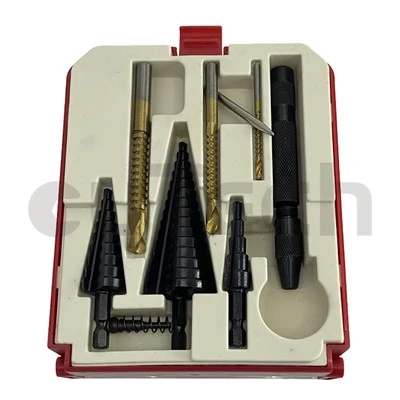

As a supplier of strip discs, I've spent a great deal of time researching and understanding the factors that influence the cutting efficiency of these important tools. In this blog post, I'll share some of the insights and strategies that can help you make the most out of your strip disc and increase its cutting efficiency.
Understanding the Basics of Strip Discs
Before we dive into the ways to improve cutting efficiency, it's essential to understand what strip discs are and how they work. A strip disc is an abrasive tool used for grinding, deburring, and surface preparation. It consists of multiple abrasive strips bonded to a central hub, which rotates at high speeds when attached to a power tool such as an angle grinder. The abrasive strips are made from various materials, including aluminum oxide, zirconia alumina, and ceramic, each with its own unique properties and applications.
The cutting efficiency of a strip disc is determined by several factors, including the type of abrasive material, the grit size, the bond strength, and the design of the disc. Let's take a closer look at each of these factors and how they can impact the performance of your strip disc.
Abrasive Material
The choice of abrasive material plays a crucial role in the cutting efficiency of a strip disc. Different materials have different hardness, toughness, and self - sharpening properties, which affect how well they can cut through various types of metals and other materials.
- Aluminum Oxide: This is one of the most common abrasive materials used in strip discs. It is relatively inexpensive, has good general - purpose cutting ability, and is suitable for working on mild steel, stainless steel, and non - ferrous metals.
- Zirconia Alumina: Zirconia alumina abrasives are tougher and more durable than aluminum oxide. They are ideal for heavy - duty applications, such as cutting through thick metals and alloys, as they can maintain their cutting edge for longer periods.
- Ceramic: Ceramic abrasives are the hardest and most self - sharpening of the three. They offer extremely high cutting rates and are well - suited for high - speed grinding and cutting operations on hard materials.
Grit Size
The grit size of a strip disc refers to the size of the abrasive particles on the strips. A smaller grit size (e.g., 40 - 60) means larger abrasive particles, which are more aggressive and provide faster material removal. However, they also leave a rougher surface finish. On the other hand, a larger grit size (e.g., 120 - 220) results in smaller abrasive particles, which are less aggressive but produce a smoother surface finish.
To improve cutting efficiency, it's important to choose the right grit size for the job. If you need to remove a large amount of material quickly, a coarser grit size is recommended. For finishing operations or when working on materials that require a smooth surface, a finer grit size should be used.
Bond Strength
The bond strength of a strip disc refers to the strength of the bond between the abrasive strips and the central hub. A strong bond is essential for maintaining the integrity of the disc during operation and ensuring that the abrasive strips do not detach prematurely.
There are different types of bond systems, including resin bonds, vitrified bonds, and rubber bonds. Resin - bonded strip discs are the most common and offer a good balance of strength and flexibility. Vitrified - bonded discs are more rigid and heat - resistant, making them suitable for high - pressure applications. Rubber - bonded discs are more flexible and are often used for applications that require a softer touch.
Disc Design
The design of the strip disc can also have a significant impact on its cutting efficiency. Some factors to consider include the number of strips, the width of the strips, and the shape of the disc. A strip disc with more strips generally provides a greater cutting surface area, which can lead to improved cutting efficiency. However, it's important to ensure that the disc is well - balanced to prevent vibration and ensure smooth operation.
The width of the strips can also affect the cutting performance. Wider strips may offer more aggressive cutting, but they may also require more power to operate. Narrower strips, on the other hand, can provide a more precise cut and are often better suited for detailed work.


Strategies to Improve Cutting Efficiency
Now that we understand the basic factors that affect the cutting efficiency of a strip disc, let's explore some strategies that can help you optimize its performance.
Select the Right Strip Disc for the Job
As mentioned earlier, choosing the right strip disc for the specific application is crucial. Consider the type of material you are working on, the amount of material you need to remove, and the desired surface finish. For example, if you are cutting through thick stainless steel, a zirconia alumina or ceramic strip disc with a coarse grit size would be a good choice. If you are finishing a smooth surface on aluminum, an aluminum oxide strip disc with a fine grit size would be more appropriate.
Here are some of our popular strip discs that you can choose from:
Use the Correct Equipment and Speed
Using the right power tool and operating it at the correct speed is essential for achieving optimal cutting efficiency. Always ensure that your angle grinder or other power tool is rated for the size and type of strip disc you are using. Operating the tool at too high a speed can cause the abrasive strips to wear out quickly and may also lead to overheating and damage to the disc. Operating at too low a speed, on the other hand, can result in poor cutting performance and may cause the disc to bind or stall.
Refer to the manufacturer's guidelines for the recommended operating speed of your strip disc. Most strip discs are designed to operate within a certain range of RPM (revolutions per minute), and following these guidelines will help you get the best results.
Maintain the Strip Disc Properly
Proper maintenance of the strip disc can significantly extend its lifespan and improve its cutting efficiency. Here are some maintenance tips:
- Clean the Disc: After each use, remove any debris or metal particles that may have accumulated on the abrasive strips. This can be done by gently brushing the disc with a wire brush or using compressed air.
- Store the Disc Correctly: Store the strip discs in a dry, cool place to prevent them from becoming damaged or corroded. Avoid storing them in direct sunlight or in areas with high humidity.
- Inspect the Disc Regularly: Before each use, inspect the strip disc for any signs of damage, such as cracks, chips, or loose strips. If you notice any damage, do not use the disc, as it may pose a safety hazard and will not provide optimal cutting performance.
Apply the Right Pressure
Applying the right amount of pressure when using a strip disc is crucial for efficient cutting. Too much pressure can cause the disc to wear out quickly and may also lead to overheating and damage to the material being cut. Too little pressure, on the other hand, can result in poor cutting performance and may cause the disc to glaze over.
When using a strip disc, apply a steady, even pressure that allows the abrasive strips to make good contact with the material. Let the disc do the work, and avoid forcing it through the material. If you find that you need to apply excessive pressure to achieve the desired cutting rate, it may be a sign that you need to choose a different strip disc or adjust the operating speed.
Use Lubrication
In some cases, using a lubricant can help improve the cutting efficiency of a strip disc. Lubricants can reduce friction between the abrasive strips and the material being cut, which can help prevent overheating and extend the life of the disc. Lubricants also help to carry away the debris and metal particles, which can improve the cutting action and result in a smoother surface finish.
There are different types of lubricants available, including water - based and oil - based lubricants. Choose a lubricant that is suitable for the type of material you are working on and follow the manufacturer's instructions for application.
Conclusion
Improving the cutting efficiency of a strip disc requires a combination of understanding the basic factors that affect its performance and implementing the right strategies. By selecting the right strip disc for the job, using the correct equipment and speed, maintaining the disc properly, applying the right pressure, and using lubrication when appropriate, you can significantly enhance the cutting performance of your strip disc and achieve better results.
If you are interested in purchasing high - quality strip discs or have any questions about how to improve their cutting efficiency, we would be more than happy to assist you. Feel free to contact us to discuss your requirements and explore the best options for your specific applications.
References
- American Society for Testing and Materials (ASTM). Standards related to abrasive products.
- Industrial Abrasives Handbook. Various industry - specific publications providing in - depth information on abrasive materials and their applications.