The working principles of diamond tools vary depending on their application, but they all utilize the extremely high hardness and wear resistance of diamond, the "hardest substance in nature." Below are explanations of the working principles in common industrial applications:
1. Drilling (Diamond Drill Bits)
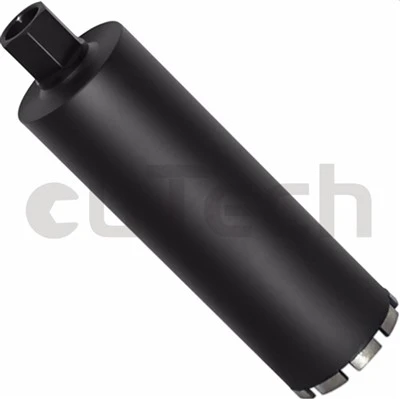
Diamond drilling relies on the high hardness of diamond particles to break rocks under drilling pressure and rotational force. The specific process is as follows:
The diamond cutting edge penetrates the rock under drilling pressure, creating stress concentration;
The rotation of the drill bit generates torque, shearing and breaking the rock; Rock breaking occurs in three ways: scratching brittle rock at the working face, fatigue fracture due to repeated loading, and volumetric disintegration of rock under high specific pressure.
2. Cutting Tools
Based on tool form, there are two typical working principles:
Diamond Circular Saw Blades
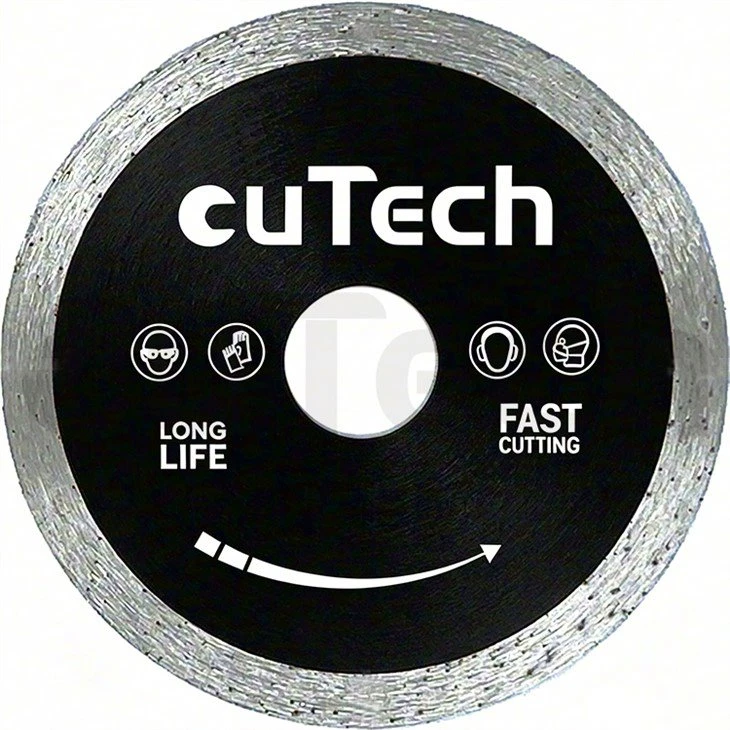
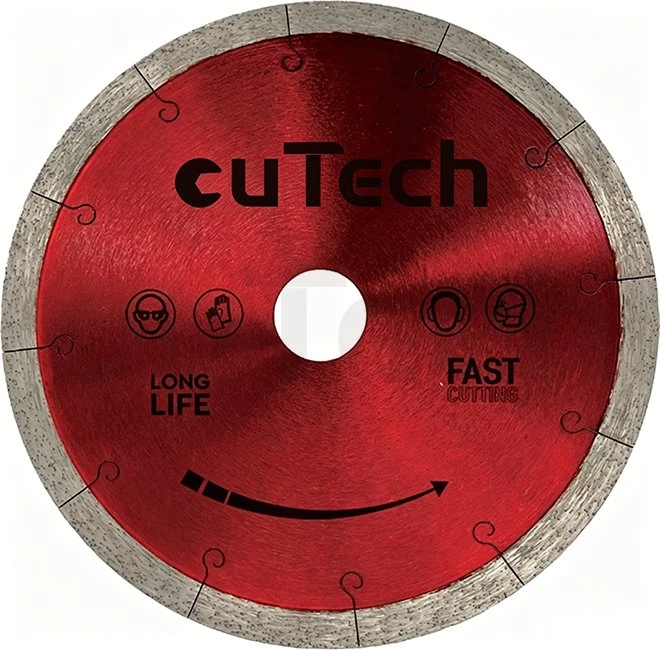
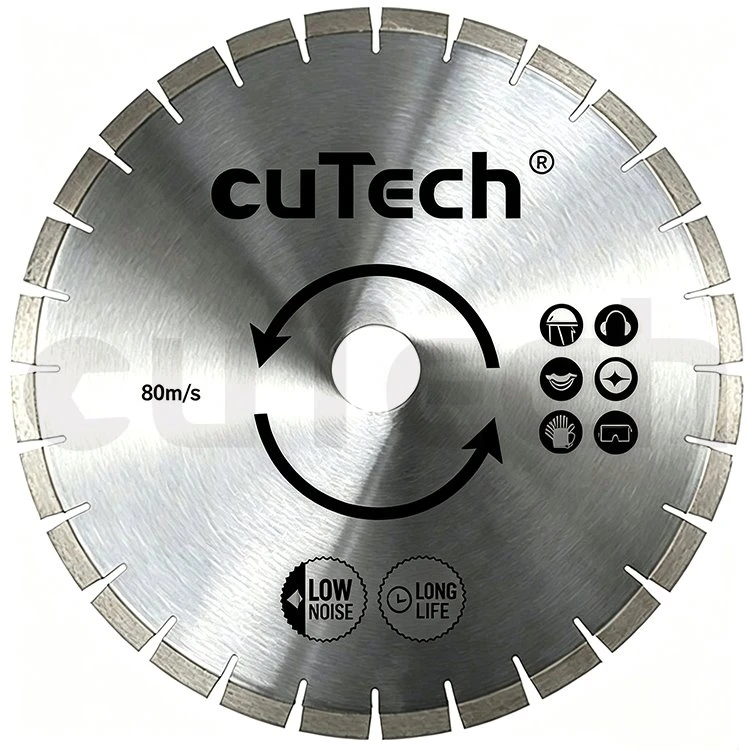
Diamond particles are embedded in a matrix through powder metallurgy/electroplating. When the saw blade rotates at high speed, the high strength of the diamond particles shears and breaks brittle and hard materials such as stone and concrete, achieving cutting processing.
Diamond wire cutting machines use metal wire with surface-bonded diamond abrasive grains as the cutting tool. A drive unit moves the diamond wire in a reciprocating motion, coordinating with the relative feed between the workpiece and the wire. The high-speed grinding of the diamond abrasive grains removes material layer by layer, achieving high-precision cutting.
3. General-purpose diamond tools (saw blades, grinding wheels, etc.)
The operation of diamond tools is a cyclical process: the diamond initially protrudes from the cutting edge for machining. During machining, the diamond continuously wears down and breaks, eventually reaching the end of its lifespan and naturally falling off, exposing new diamond layers to continue working, thus maintaining the tool's sharpness. A balance needs to be struck between sharpness and lifespan-premature shedding shortens the lifespan, while delayed shedding reduces sharpness.