Diamond and related products, due to their ultra-high hardness and excellent thermal/electrical conductivity, are used in multiple fields, including industrial processing, cutting-edge technology, and jewelry consumption. Specifically:
Traditional Industrial Processing – The Largest Application Scenarios
This is the core traditional use of diamond products, primarily using tools made from industrial-grade synthetic diamonds, covering almost all hard and brittle materials processing:
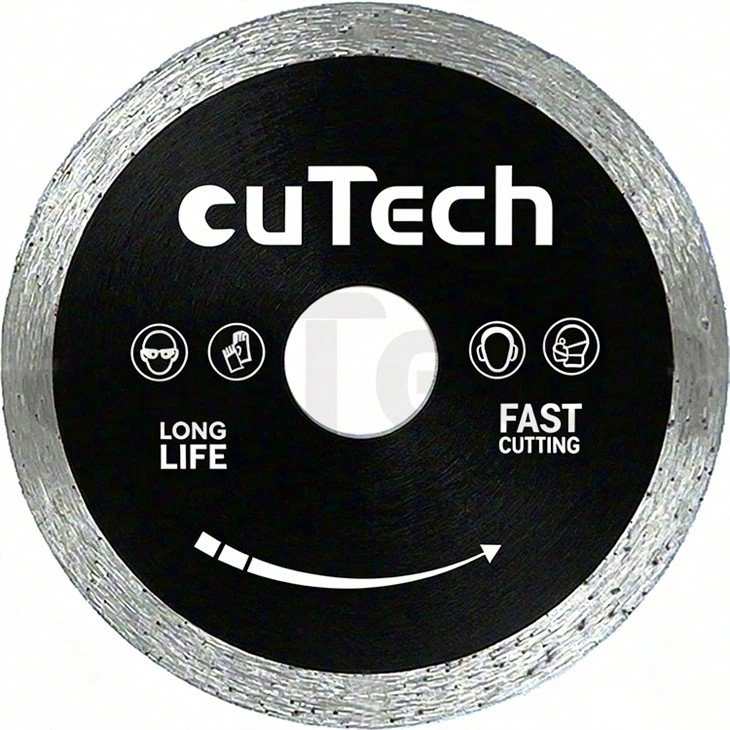
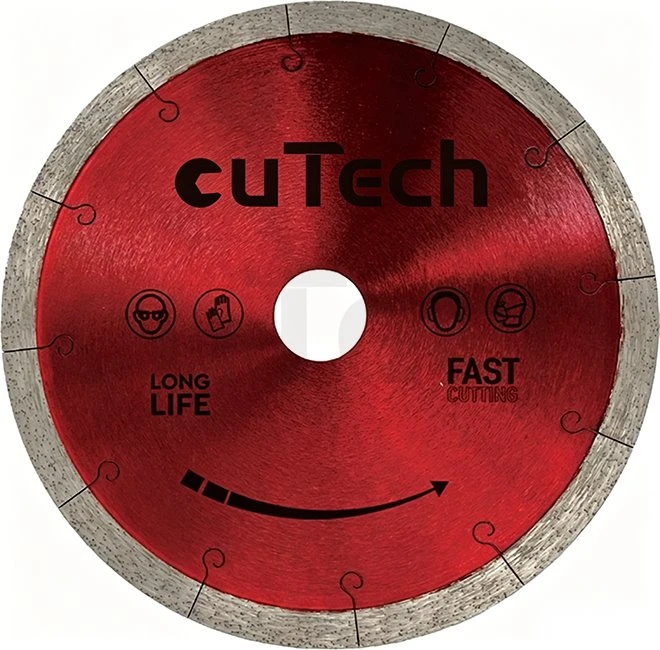
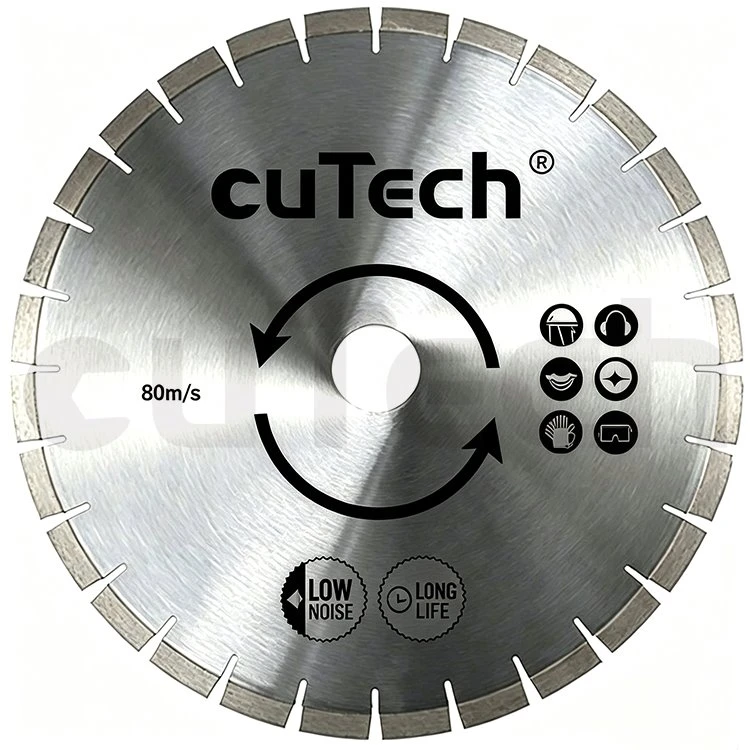
Cutting/Sawing: Diamond saw blades and diamond wire saws are used for cutting stone, ceramics, glass, concrete, and in the semiconductor industry for squaring silicon ingots, sapphire wafers, and silicon carbide substrates; diamond cutting tools can perform high-precision turning and milling of ultrahard materials.
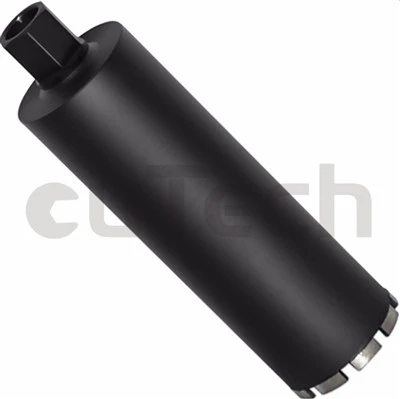
Drilling: Diamond drill bits are widely used in geological exploration, oil and gas drilling, engineering surveying, and concrete drilling in the construction industry. Polycrystalline diamond composite drill bits have a lifespan several times longer than traditional drill bits.
Grinding and Polishing
Diamond grinding wheels improve the durability of ultra-hard and brittle materials such as cemented carbide, glass, and ceramics by tens of thousands of times compared to traditional silicon carbide grinding wheels; diamond grinding blocks and diamond polishing stones are used for floor grinding and precision workpiece refining; diamond polishing paste enables ultra-precision polishing, improving workpiece surface accuracy.
Emerging High-Tech Fields – The Fastest Growing Application Direction
Diamond's thermal conductivity and semiconductor properties are highly valuable in cutting-edge industries:
Semiconductor and Electronic Information Fields: Diamond, with its extremely high thermal conductivity (more than 5 times that of copper), is used as a heat sink material for heat dissipation in high-power lasers and power semiconductor devices. Currently, 8-inch diamond heat sinks are nearing mass production. Simultaneously, diamond itself is a wide-bandgap semiconductor material, which can be used to fabricate next-generation high-temperature, high-frequency power devices.
High-End Equipment and Precision Manufacturing Fields: Polycrystalline diamond tools are used for machining precision molds and composite materials, achieving micron-level cutting accuracy and high-quality surface finish. Diamond-coated tools also possess low-friction characteristics, helping to achieve green and low-energy manufacturing.
Optics and Detection
Diamonds have broad spectral transmittance, making them suitable for fabricating special optical windows used in high-power lasers, particle detectors, and other high-end equipment.
Jewelry Consumer Sector
Lab-grown diamonds (high-quality synthetic diamonds) have become an important category in the jewelry market. Both HPHT and CVD processes can produce gem-quality diamonds with excellent color and clarity. After cutting and polishing, these diamonds are made into jewelry such as rings and necklaces, and are priced lower than natural diamonds.